what we’re thinking.

What terra alma Looks for Before Recommending a Market
We don't recommend markets based on foot traffic reports. Here's what we actually look at — and why it matters for operators who want to open in the right place.

Most operators ask the wrong question.
Most ground-floor retail strategies are designed to get to occupancy. Incremental retail is designed to build daily life. Here's the framework terra alma uses to activate ground-floor space in master-planned communities and mixed-use developments — and why lease-up and activation are not the same thing.
What Is Incremental Retail? A Ground-Floor Strategy for Developers Who Want To Sell or Lease Faster
Most ground-floor retail strategies are designed to get to occupancy. Incremental retail is designed to build daily life. Here's the framework terra alma uses to activate ground-floor space in master-planned communities and mixed-use developments — and why lease-up and activation are not the same thing.
The Five Phases of Incremental Retail: A Framework for Phased Community Development
Retail in master-planned communities often struggles with a simple dilemma: you can’t open shops without residents, but you can’t sell homes without life on the street. Incremental retail solves this chicken-and-egg problem by introducing retail in phases starting with placemaking and small activations, and growing into micro food halls, permanent storefronts, and eventually a full town center. The result is retail that evolves with the community.
How terra alma Curates Local Makers and Bakers for Master-Planned Communities
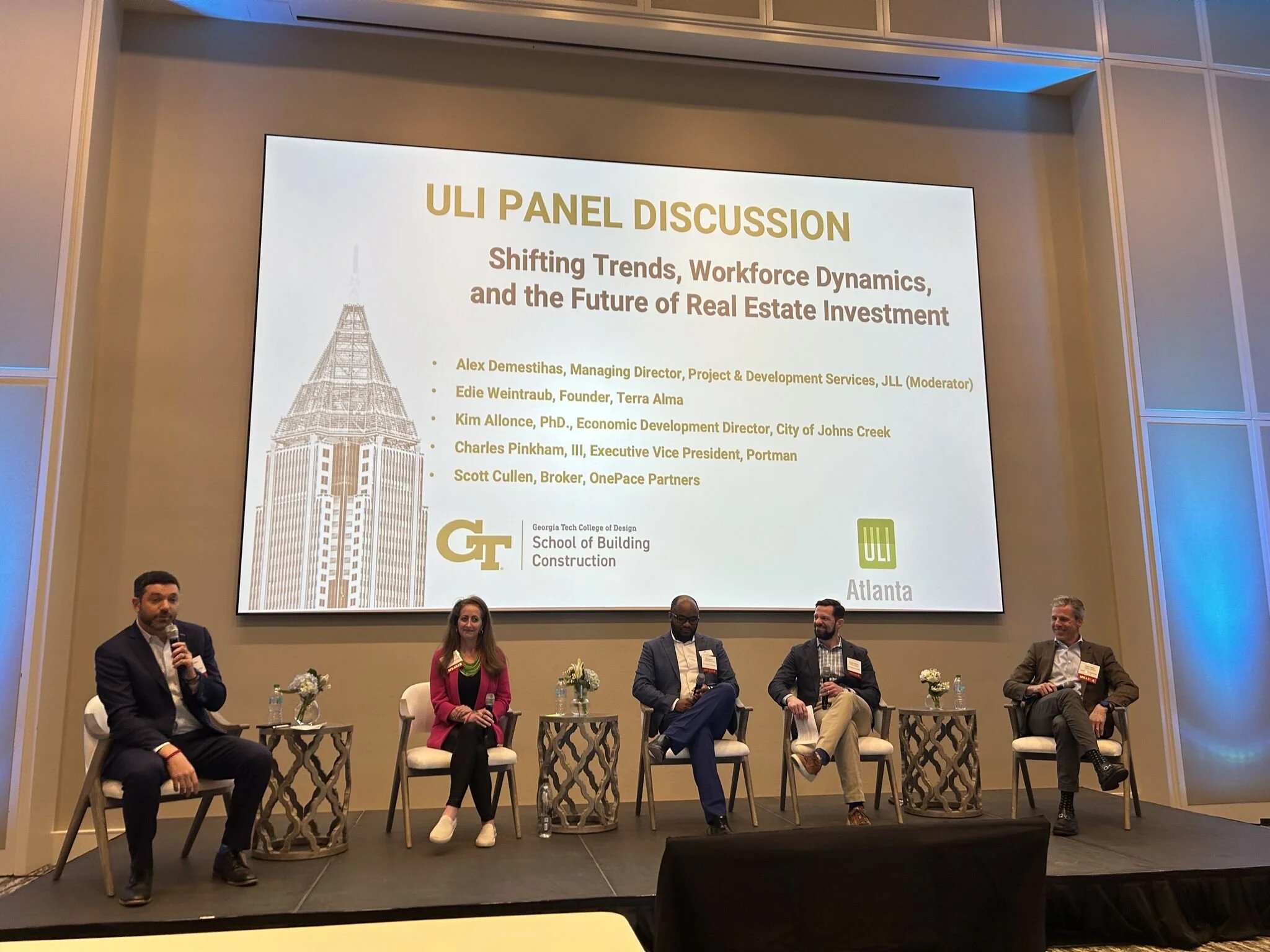
Most master-planned communities treat retail as an amenity — something bolted on near the end of the planning process. The result is almost always the same: national chains, because they're the path of least resistance. But local operators aren't just a stylistic preference. They're a strategic tool for building community identity and resident loyalty at every stage of a development's life. Here's how terra alma finds them, prepares them, and structures deals that give them a genuine chance to thrive — from Chattahoochee Food Works in West Midtown Atlanta to a 600-acre phased community in Austin, Texas.
Stop Leasing Boxes. Start Designing Rituals.
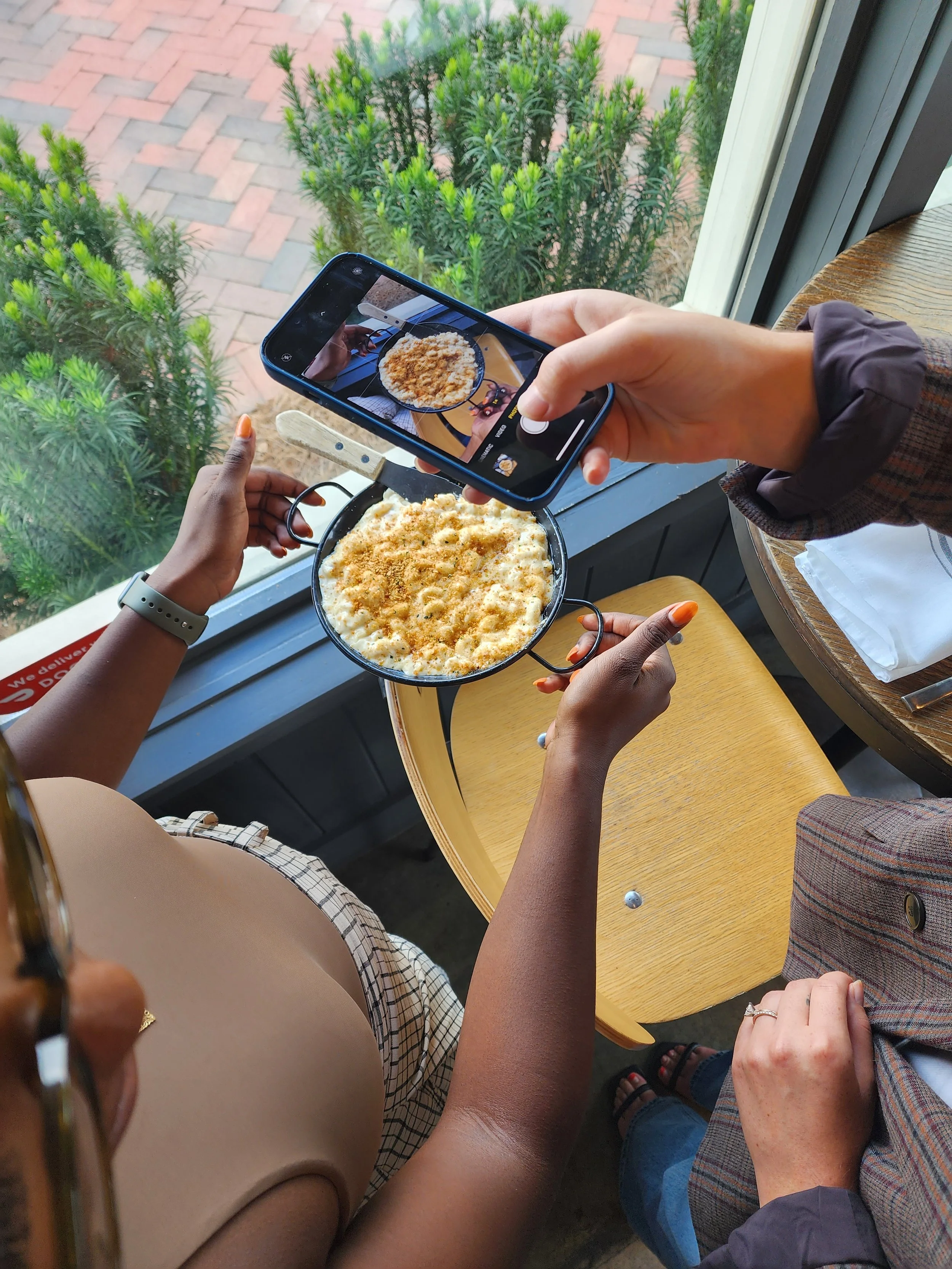
Stop leasing boxes. Start designing rituals.
Chess nights. Reading salons. Lecture series in bars.
The future of real estate isn’t about filling square footage — it’s about creating repeatable reasons to gather. Demand no longer follows space. It follows experience.
If your project doesn’t have a weekly rhythm, you don’t have placemaking yet.
Vacancy Isn’t a Failure. It’s a Pause.
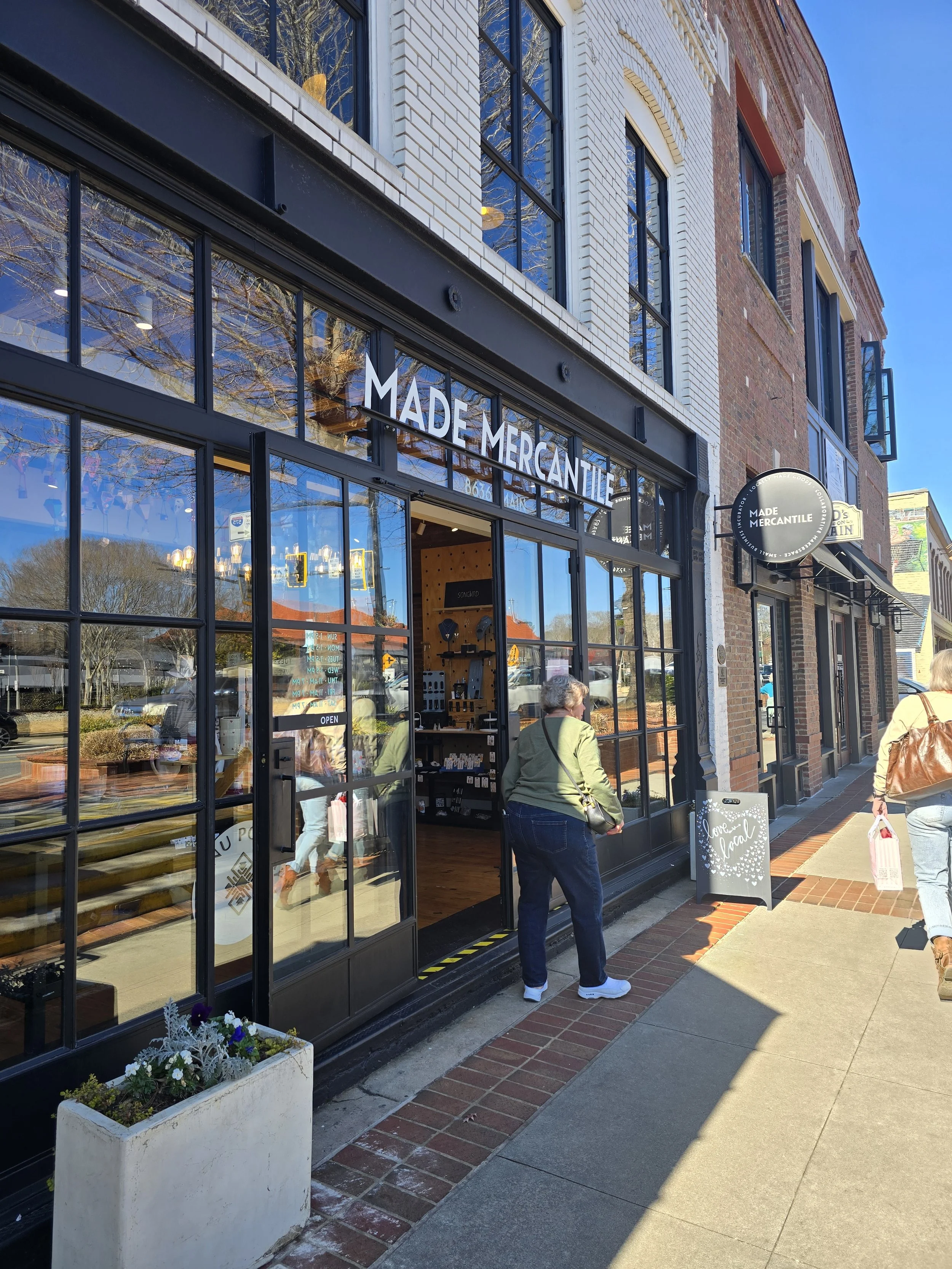
Vacant storefronts aren’t a failure in commercial real estate—they’re a placemaking opportunity. When empty spaces are activated with creativity, community, and local culture, they become vibrant third places that reshape perception, accelerate leasing, and unlock long-term value. Culture leads, and commerce follows.
It’s Not About Sidewalks. It’s About Smiles.
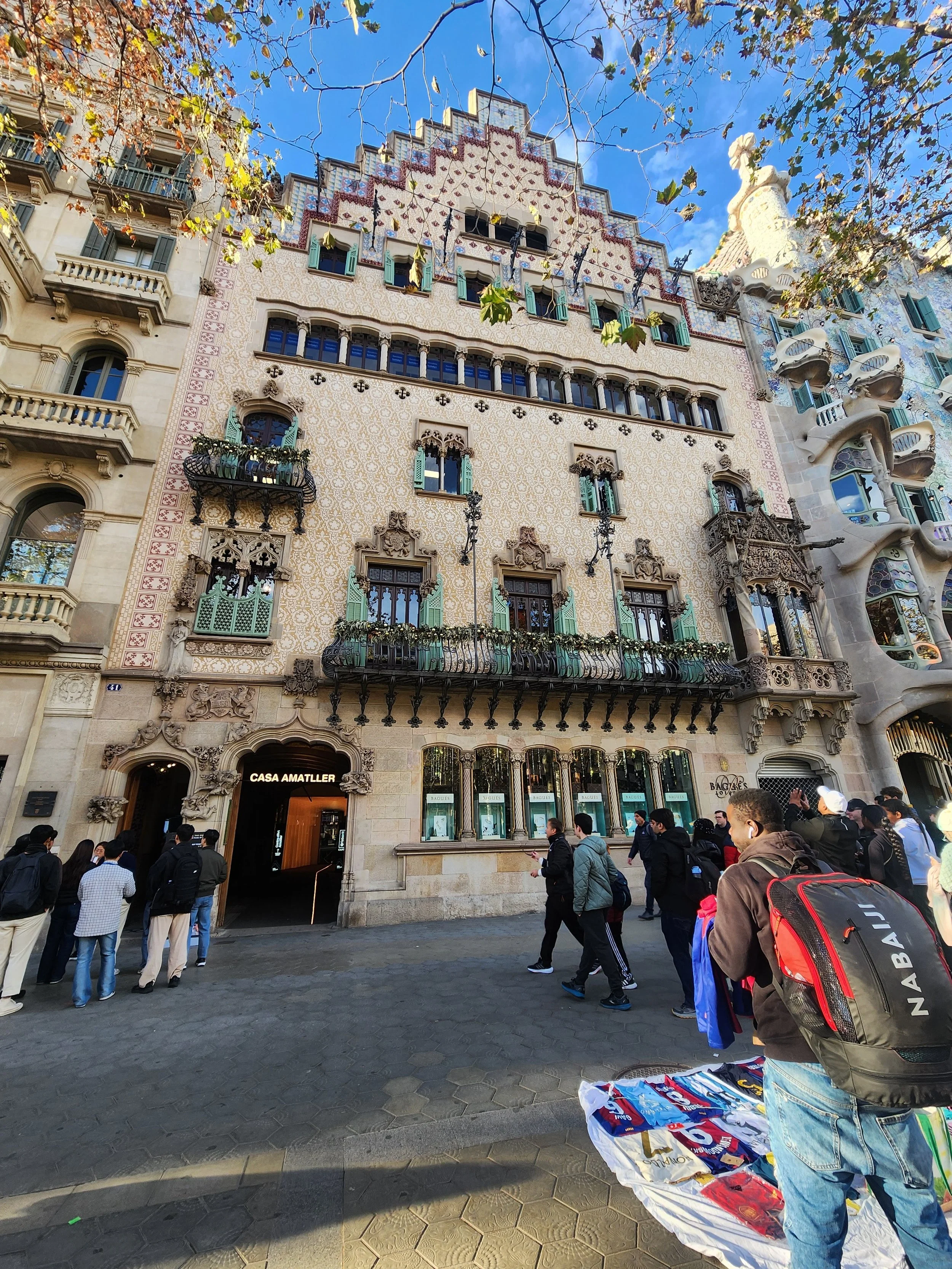
Across cities around the world, walkability reveals its true power not through infrastructure, but through everyday moments — shared rituals, chance encounters, and small gestures of recognition. This essay explores why sidewalks matter less than the social life they make possible, and how human-scale places turn movement into belonging.
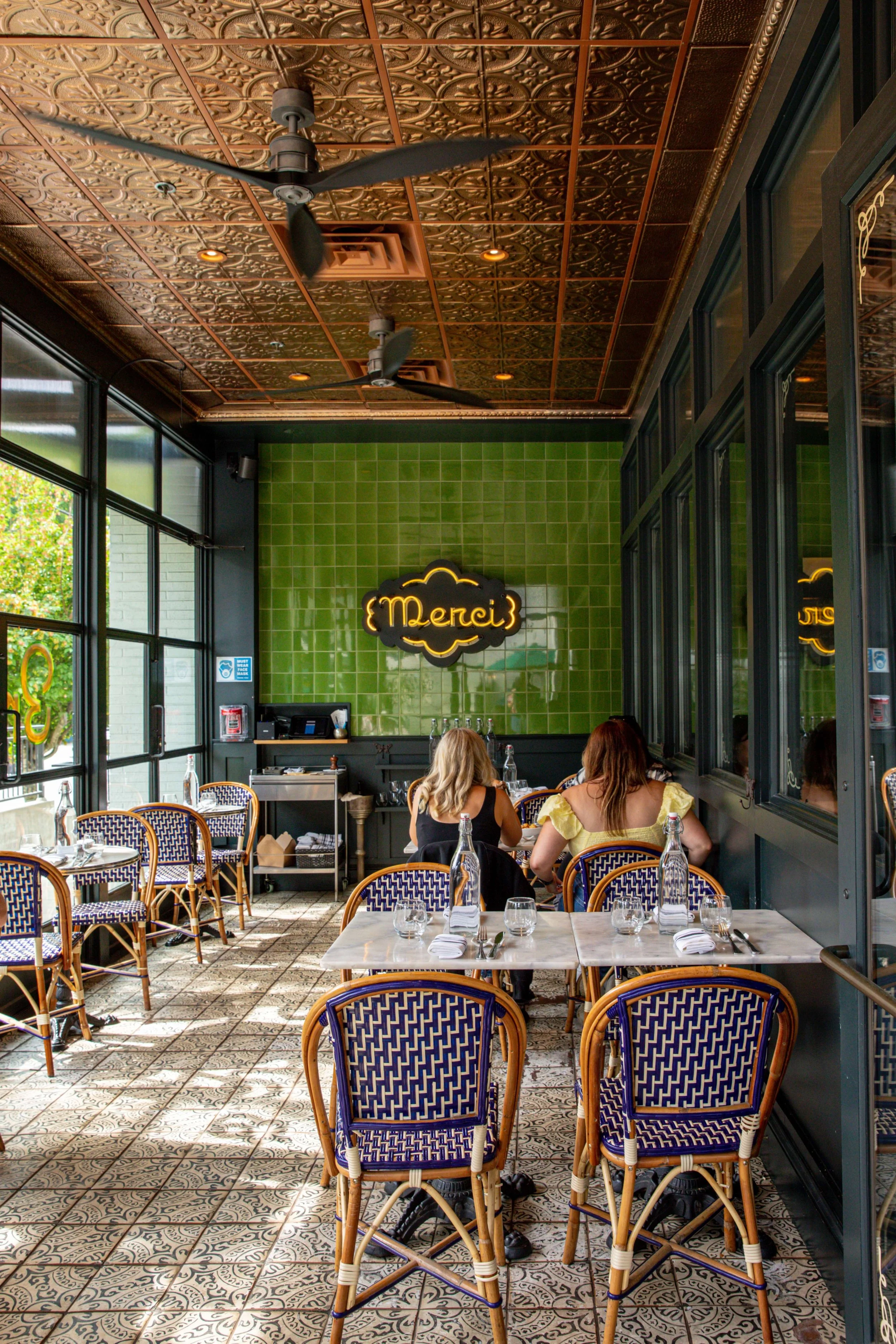
The Cool Factor: How to Attract Indie Brands Locals Love
What makes a downtown magnetic?
It’s not another chain or logo mural. It’s indie brands—the soulful, story-driven businesses locals love.
In our latest blog, we break down how to attract these brands, curate the right tenant mix, and build the kind of place people brag about bringing their friends to.
✨ Cool isn't just a vibe—it's a strategy.
