The Five Phases of Incremental Retail: A Framework for Phased Community Development
One of the most persistent challenges in master-planned community development is a problem that sounds simple but isn't: you can't open a restaurant in a neighborhood that doesn't have residents yet, but you also can't sell homes in a neighborhood that doesn't feel like it has any life to it.
This is the chicken-and-egg problem of MPC retail, and it's the reason so many large-scale community developments end up with either vacant ground-floor retail that drags down the project's energy for years, or national chain placeholders that compromise the community's long-term character in exchange for short-term occupancy numbers.
The answer terra alma has developed through direct experience on phased development projects including a 600-acre mixed-use community in Austin, Texas with a ten-year build-out horizon is what we call incremental retail.
It's a framework for introducing authentic commercial activation at each stage of a community's development, scaled to the population that actually exists at that moment, using operators who are sized and structured appropriately for where the community is in its growth arc.
Here's how it works in practice, phase by phase.
Phase One: Placemaking Before Retail (0–200 Households)
The first phase of a new community's life is not a retail opportunity. It's a placemaking opportunity, and the distinction matters. Before there are enough residents to sustain even a single food operator consistently, our job is to establish the physical and social conditions that will make retail viable when the population is ready for it.
In the Austin project, this meant model homes and a pocket park.
Not a temporary structure or a construction-site amenity, but a genuine public space designed to give early residents a reason to gather outdoors and begin forming the social connections that eventually make a commercial environment thrive. The pocket park established a gathering point. The model homes established a sense of permanence and intention. Together they communicated to early residents: this is going to be a real place.
The retail decision at this phase is the decision not to rush retail.

Phase Two: The Activation Layer (200–500 Households)
Once a community reaches a threshold of roughly 200 to 300 households, the conditions exist for what we call activation retail commercial presence that is intentionally impermanent, low-overhead, and highly relational.
This is not the same as "temporary retail." It's a specific category of operator who is built to thrive in an early-stage environment and whose format creates the kind of daily ritual that builds community identity from the ground up.
In Austin, this phase was anchored by an Airstream. A single operator vetted by terra alma for their relationship-building skills as much as their product quality serving coffee in the morning and small bites and drinks in the evening from a beautifully outfitted Airstream positioned near the pocket park.
The format was intentional: low build-out cost (protecting the operator), high visibility (establishing the community's commercial center of gravity), flexible hours (adaptable to where resident traffic actually was rather than where it was projected to be), and deeply personal (the operator will know every early resident by name within six months).
What the Airstream accomplished that no conventional retail could have done is that it gave residents a daily ritual and a social anchor point during the period when the community was most fragile when people were still deciding whether they'd made the right choice buying into a development that wasn't finished yet. That daily coffee run became part of what it meant to live there.
And when that operator eventually transitions to a permanent space as the community grows, they bring every one of those early relationships with them.
Other formats that work well in this phase include farmers markets, food truck rotations with a consistent anchor vendor, pop-up retail in flex spaces, and mobile operator concepts across wellness, coffee, and specialty food categories. The key criteria for selecting an activation-phase operator are relational warmth, operational flexibility, appropriate scale for the current population, and genuine enthusiasm for being part of a community's origin story which is a real and powerful motivator for the right kind of operator.
Phase Three: The Micro Food Hall (500–1,000 Households)
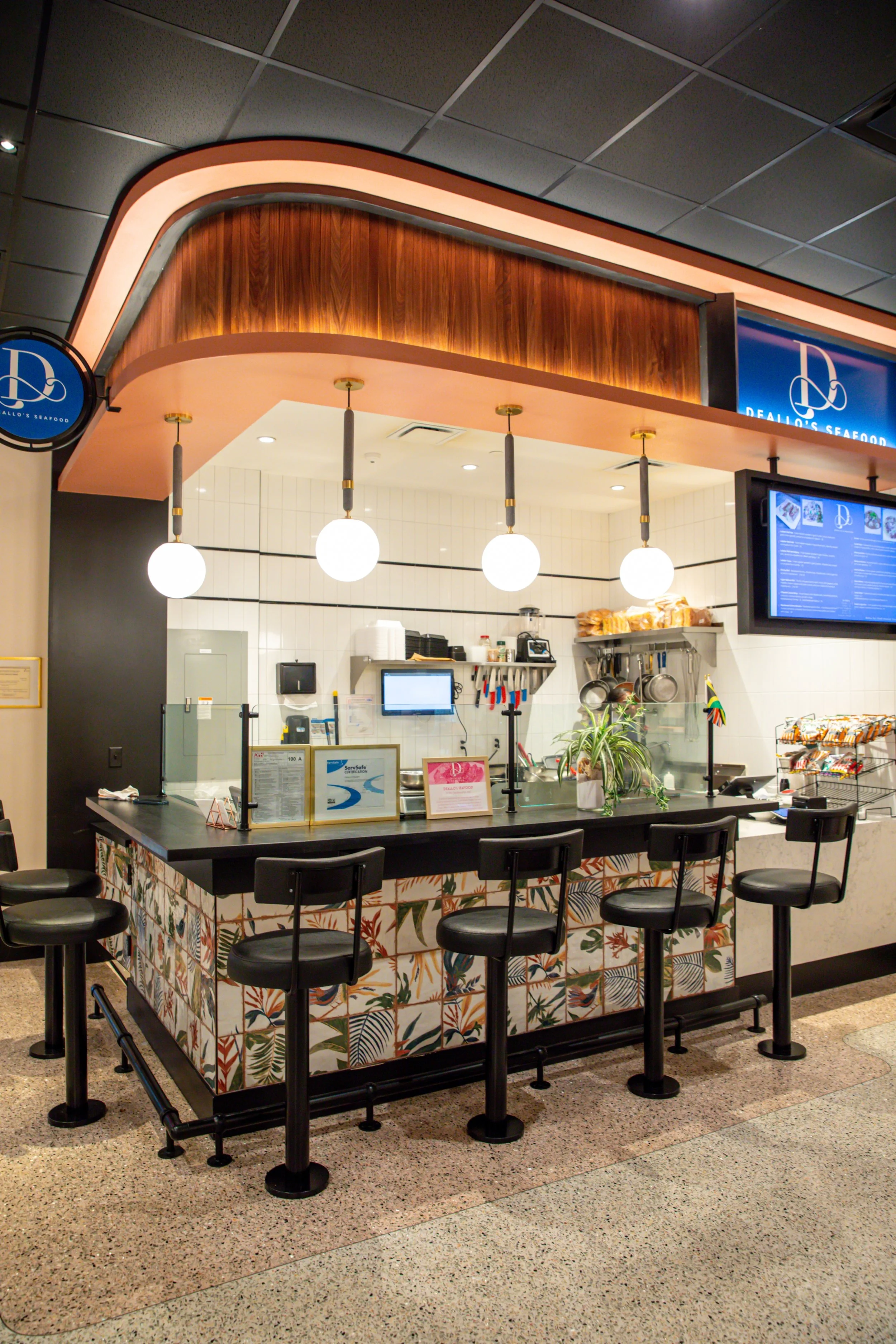
When a community reaches roughly 500 households, the population is sufficient to support a concentrated F&B environment with multiple operators sharing a single space, shared back-of-house infrastructure, and programming that drives foot traffic beyond the immediate resident base.
This is the micro food hall phase.
The micro food hall is the most powerful tool in incremental retail strategy because it solves three problems simultaneously.
It creates a genuine destination a reason for non-residents to visit the community and experience it which is critical for building the kind of public identity that supports home sales.
It distributes risk across multiple operators rather than concentrating it in a single concept, which makes the environment more resilient during the inevitable slow periods that all retail experiences.
And it creates a platform for emerging local operators who are not yet ready for a full stand-alone restaurant or retail concept but are absolutely ready to build a customer base and a revenue stream inside a well-curated shared environment.
Terra alma's approach to the micro food hall at this phase prioritizes operators who are specifically native to the region the community is in, not operators imported from Atlanta or Austin or wherever the developer is headquartered, but people who already have roots in the specific community and bring existing relationships with them.
This is the lesson from South End Norcross: the operators who made that micro food hall feel like Norcross rather than like a generic food hall concept were operators who already had a relationship with Norcross residents before they ever signed a lease.

Phase Four: Permanent Ground-Floor Retail (1,000–2,000 Households)
With a community of 1,000 or more households, the population base exists to support permanent commercial tenants operators who are willing and able to commit to a standard lease term because the daily customer volume justifies it.
This is the phase at which the curation work terra alma did in phases two and three pays its most visible dividend: the operators who activate this phase are not strangers to the community. They're businesses that the community already knows and loves, expanded into a permanent format.
In a well-executed incremental retail strategy, the transition from phase three to phase four looks less like new retail arriving and more like existing retail maturing.
The Airstream operator opens a permanent café. A micro food hall vendor expands into a stand-alone restaurant space. A farmers market vendor takes their first brick-and-mortar location. This continuity the sense that the commercial environment grew with the community rather than being installed by an outside party is the single most important driver of the authentic character that developers are trying to achieve and that national chains can never deliver.
The permanent ground-floor phase also introduces the first opportunity for carefully selected national or regional anchor tenants not as the starting point, but as the complement to a local commercial ecosystem that is already established and already beloved. A regional grocer, a fitness concept with community programming, a veterinary clinic these are the nationals that enhance a local-first commercial environment rather than replacing it.
Phase Five: The Town Center (2,000+ Households)
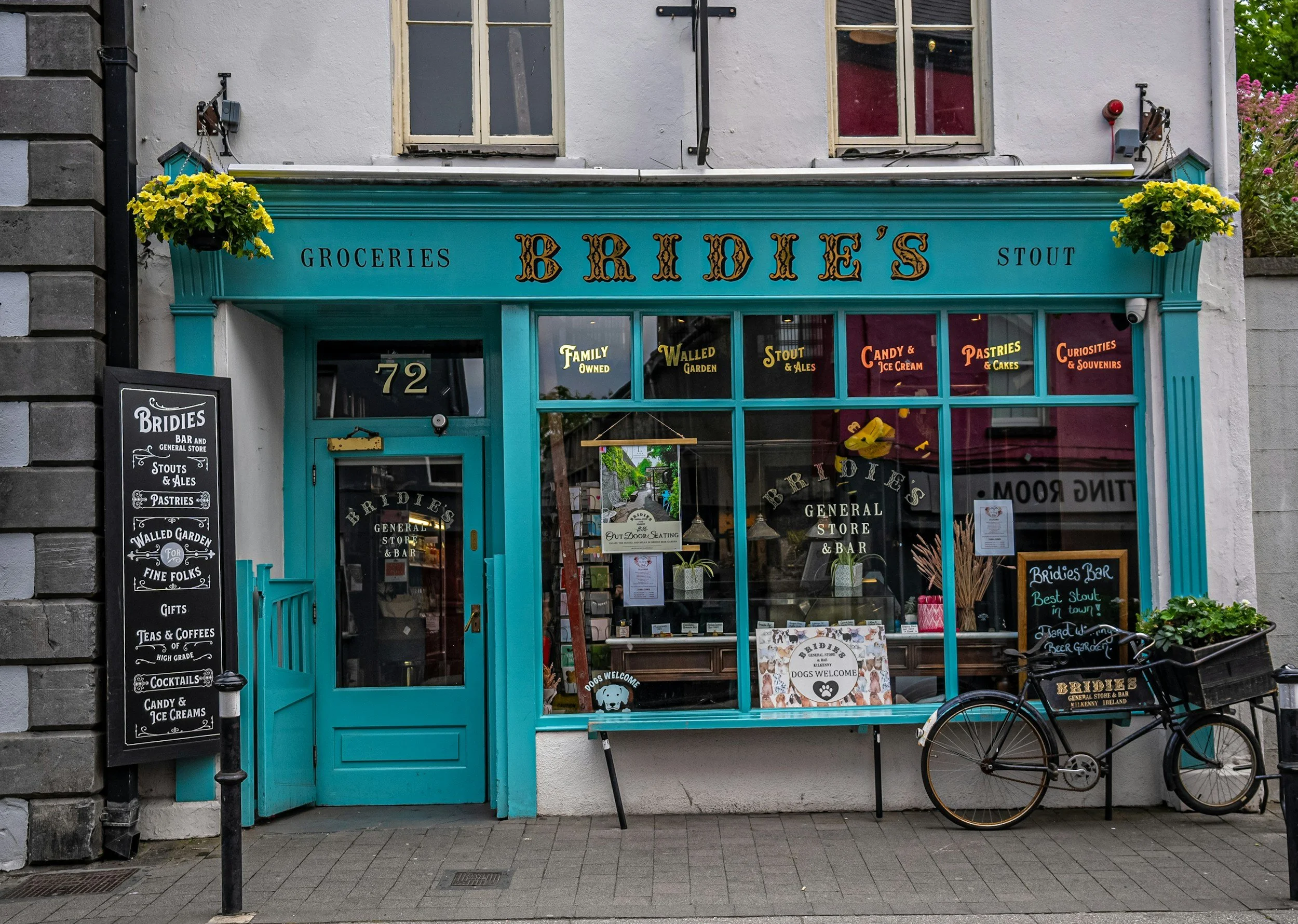
The full town center phase is where the community's commercial identity is complete where the street-level experience reflects the full range of daily needs and wants of a mature, multi-generational residential population.
By this phase, if the incremental retail strategy has been executed well, the town center is not something that was designed and installed. It's something that evolved, with the community, from the beginning.
The developers who get to this phase and look at their town center with genuine pride are almost always the ones who made the decision early in phase one or phase two to treat retail as community infrastructure rather than a leasing problem.
The ones who are frustrated at this phase are almost always the ones who waited until the community was large enough to attract nationals and then discovered, too late, that nationals don't create the environment they were hoping for.
Incremental retail is ultimately a long game. But it's a game that rewards patience, intentionality, and the willingness to invest in local operators before the ROI is immediately obvious. The communities that play it well don't just lease up faster. They become the places people talk about, write about, and choose to live in when they have other options.
That's the point.
💭 → Is your development ready for an incremental retail strategy? — I welcome a thoughtful conversation.