What Is Incremental Retail? A Ground-Floor Strategy for Developers Who Want To Sell or Lease Faster

The ribbon gets cut.
The residents move in.
A coffee shop opens, does okay.
A yoga studio comes and goes.
We've seen it happen in master-planned communities.
In mixed-use developments.
In emerging downtowns that should have become destinations but didn't quite get there.
The problem isn't the real estate. It's the strategy or the absence of one.
Filling space is one thing. Building daily life is something else entirely.
Most ground-floor retail strategies are designed to get to occupancy. Sign the anchor, fill the inline, collect the checks.
That model made sense when retail was stable, predictable, and national chains were happy to sign 10-year leases anywhere there was density.
Nationals are not our audience in these communities.
What developers need now is a ground floor that earns its place that pulls people out of their units and into the street, that gives a place its character, that makes the whole development worth more because of what's happening at street level.
That's what incremental retail is built to do.
What incremental retail actually means,
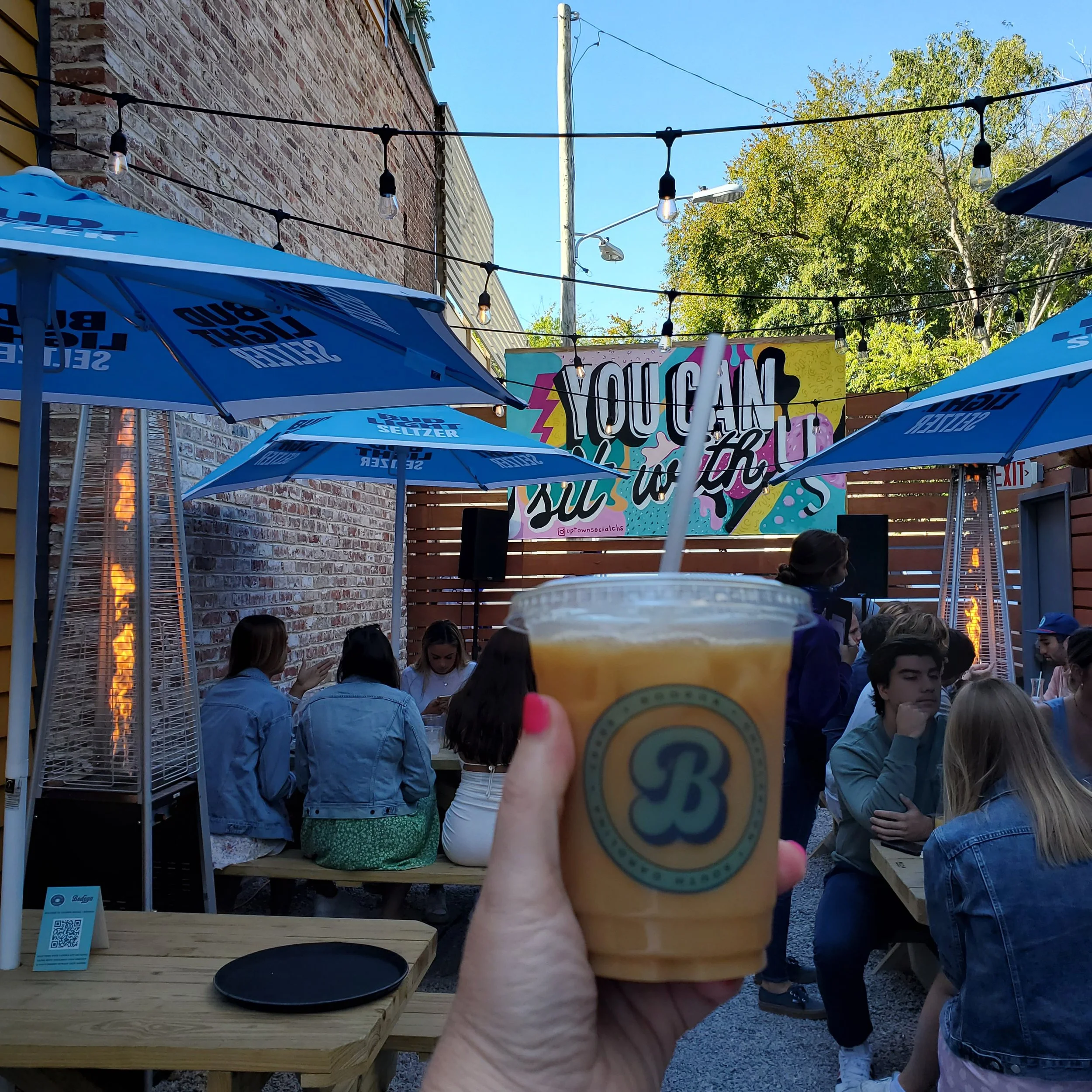
Incremental retail is terra alma's framework for activating ground-floor space through curated, phased, human-scale operator placement.
The idea is simple: not all of the ground floor needs to be filled on day one. What it needs is the right operators in the right sequence, activated in a way that builds momentum over time.
That means starting with uses that generate daily traffic coffee, breakfast, grab-and-go, neighborhood services.
Then layering in evening and weekend draws: wine bars, chef-driven concepts, experiential retail, as the community matures. Each operator builds on the last.
The place develops a rhythm. People start coming back because there's a reason to.
The opposite approach signing whoever will take the space, as fast as possible produces spaces that feel disconnected.
A nail salon next to a smoothie bar next to an insurance office. Technically occupied. Not a destination.
Why it matters for master-planned communities specifically
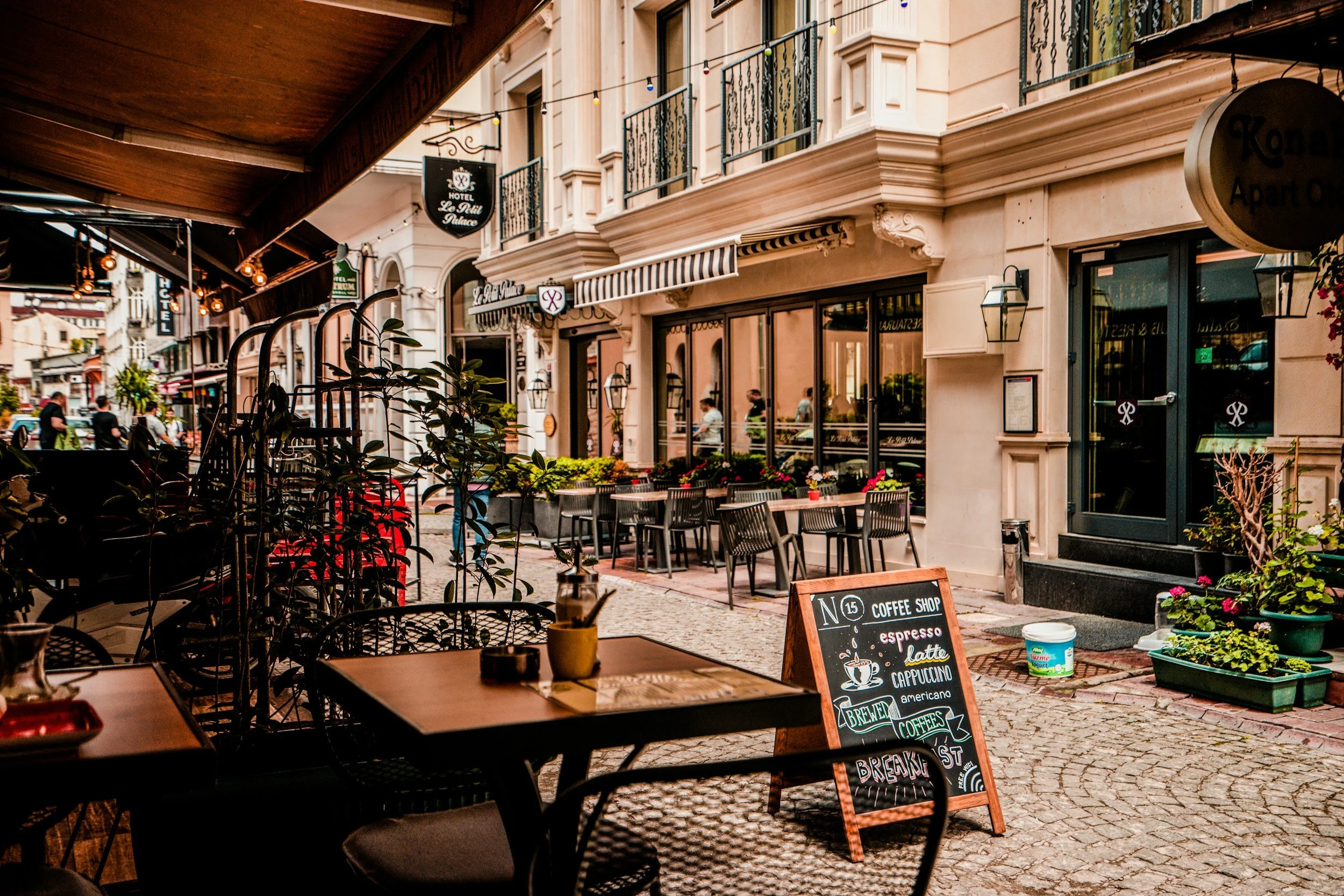
In a master-planned community, the corner store / bodgea / cafe on the ground floor is doing more than retail. It's building social infrastructure.
Residents don't just want a place to shop. They want somewhere to become regulars. A coffee counter where the barista knows their order. A butcher who sources from nearby farms.
A wine shop that hosts Friday night tastings. These aren't amenities they're the connective tissue of a neighborhood.
Incremental retail creates that tissue deliberately.
We work with developers to identify the operator mix that fits the community's demographic profile, then curate outreach to independent, local, and emerging brands who can bring authenticity that national chains can't.
The result isn't just a leased-up ground floor. It's a place people talk about. A place that holds its value.
We execute.
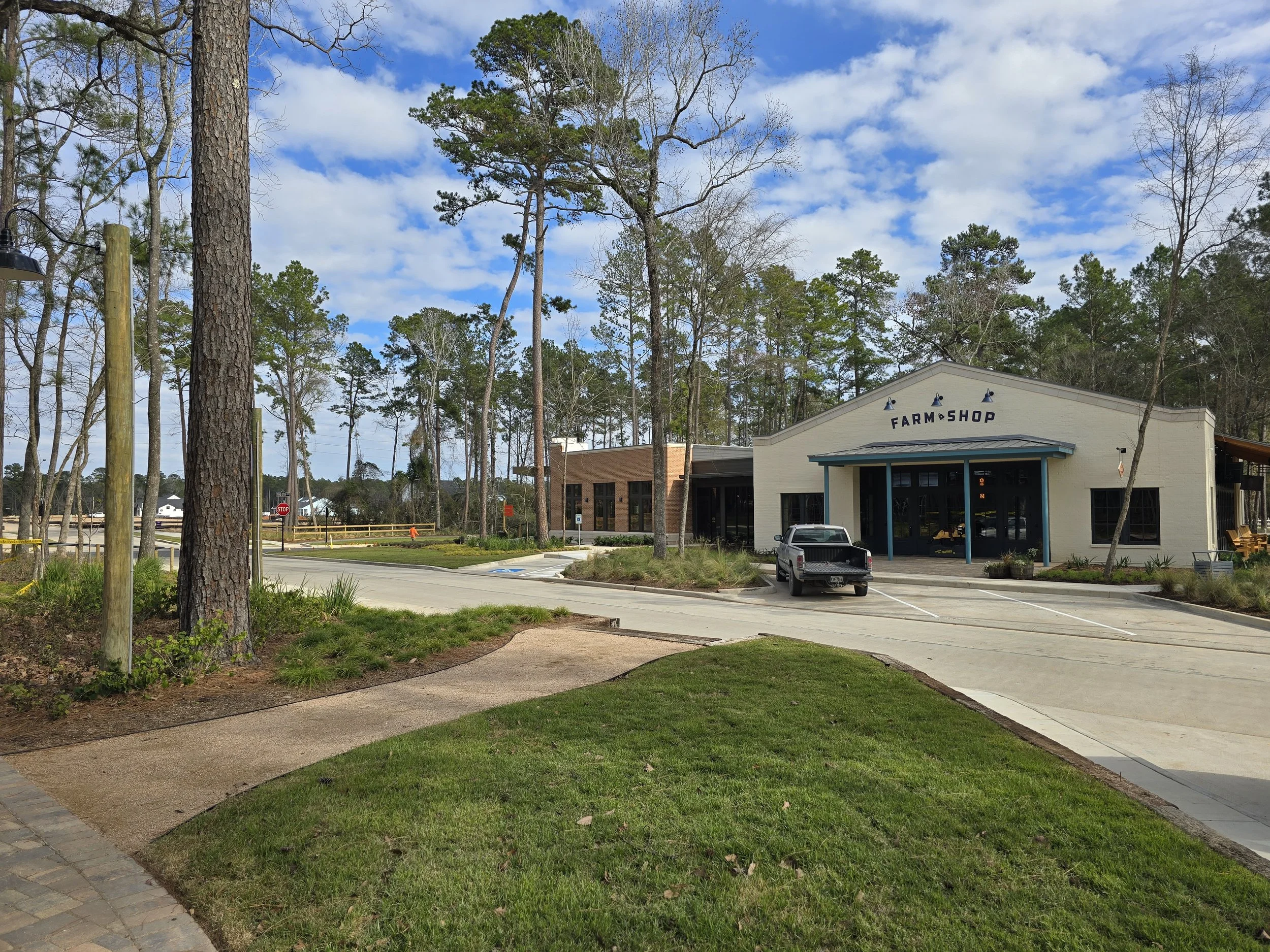
Terra alma has been placing operators in food halls, mixed-use developments, and emerging downtowns across the Southeast for more than 20 years.
We've worked in restaurants. We've brokered the deals.
We've activated the spaces and watched them become the heartbeat of the places they anchor.
Incremental retail isn't a theory. It's what we practice.
If you're a developer building a master-planned community or mixed-use project and wondering why the ground floor isn't performing - or you want to build it right the first time - let's talk about what an incremental retail strategy could look like for your project.
Terra Alma is a women-founded retail CRE advisory and brokerage firm based in Atlanta. We specialize in ground-floor strategy, operator curation, and place activation for developers, cities, and food halls across the Southeast. We are honored to have worked with the best in class MPC: Hillwood Communities, Oxland Development Group, Red Oak Development and more.