Lease-Up Is Not Activation: What It Actually Takes to Bring People Downtown
There’s a version of downtown revitalization that looks great on paper.
Vacancy rates down.
Ribbon cuttings.
Press releases.
And then… nothing much happens on the street.
We see it in city after city.
A new tenant signs a lease downtown. The DDA celebrates the announcement.
And six months later, the block feels exactly the same as it did before.
Maybe quieter.
Lease-up is not activation. The data backs this up. And the good news is that the downtowns getting it right have a lot in common.
What the Data Actually Shows
Downtown recovery is real but it’s uneven, and the dividing line isn’t vacancy rates. It’s what’s happening at street level.
Portland’s downtown logged 32 million pedestrian visits in 2025 up 5.5% year-over-year.
Multiple Saturdays matched or exceeded 2019 benchmarks.
Seattle drew 15 million unique visitors for the second consecutive year.
San Francisco, by contrast, sits at barely 50% of pre-pandemic weekday foot traffic. Its downtown recovery has stalled.
The difference isn’t office vacancy. Portland has plenty of empty offices too. The difference is what’s drawing people there on a Saturday.
What they can eat, drink, buy, and experience when they show up.
Visitors and residents, not commuters, are now the primary engine of downtown foot traffic in every rebounding market. Events, food, culture, and daily errands are doing what corporate leasing cannot.
Walkability Is Real.
But It’s Not Enough.
79% of homebuyers say walkability matters. 90% of Gen Z and millennials say they’d pay more to live in a walkable neighborhood. The demand to be downtown is real.
But here’s what doesn’t get said enough: you can have a Walk Score of 98 and a dead street.
Walkability creates the conditions for activation.
It doesn’t deliver it.
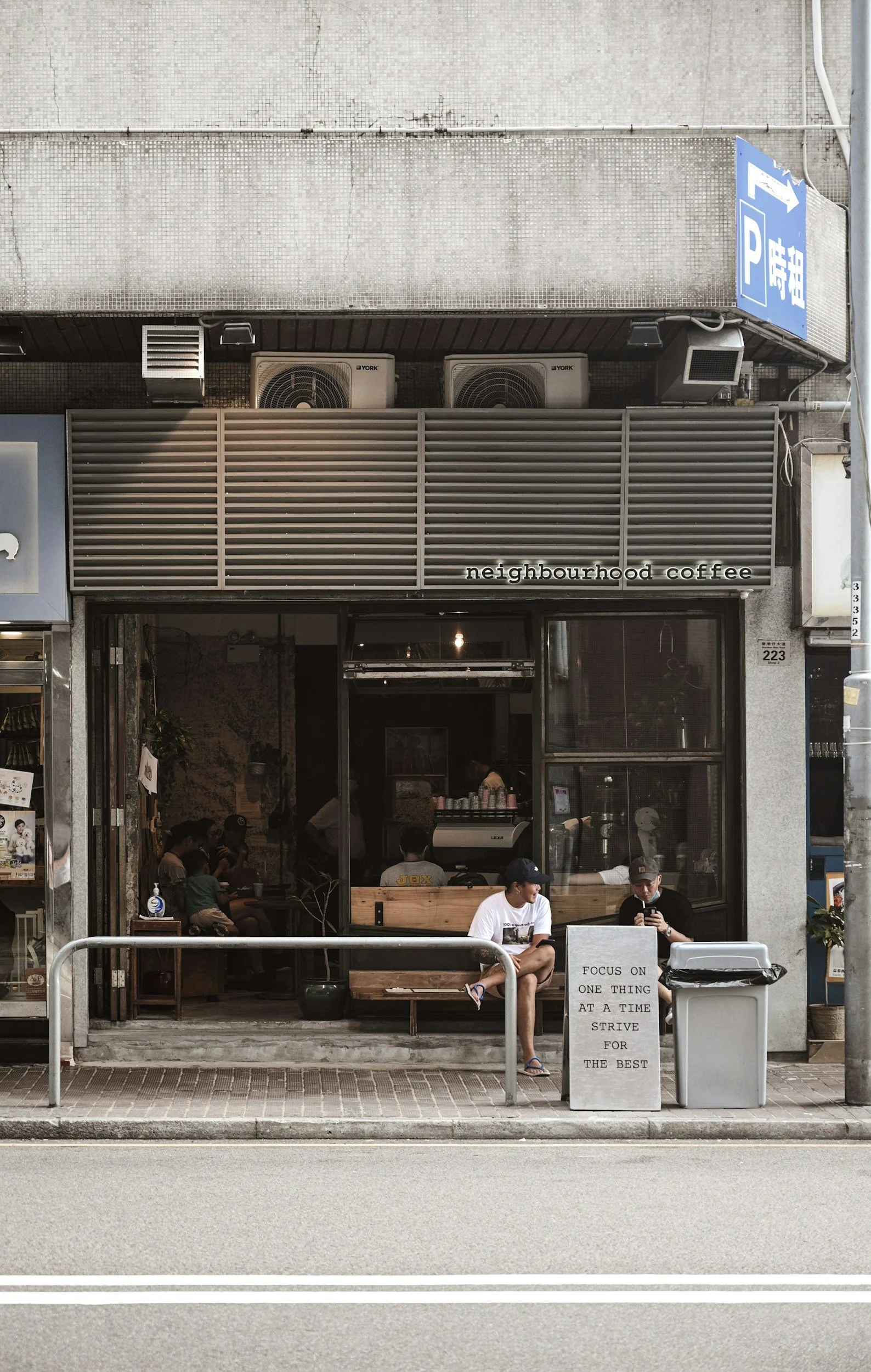
What creates daily life downtown? A coffee shop that opens at 6am. A lunch counter. A neighborhood bar. A bookstore that stays open late. A dry cleaner, a florist, a bakery. These are the operators who build the habits that build foot traffic. They create return visits, not one-time curiosity.
Daily life doesn’t happen because a space is vacant and someone signed a lease to fill it. It happens because the right operator is in the right place, set up to succeed.
Operators, Not Tenants
There’s a language difference that matters. When we talk about “tenants,” we’re thinking about occupancy.
When we talk about “operators,” we’re thinking about activation.
A tenant fills a space. An operator animates a block.
The DDAs doing it right aren’t just tracking vacancy rates.
They’re asking: who belongs here? What does this street need at 7am? At noon? At 7pm?
What’s missing from daily life in this downtown, and who are the people the independent, community-rooted operators who can fill that gap?
They’re treating operator recruitment the way economic development officers treat business recruitment. With a strategy. With a target list. With a prospectus.
Spread Too Thin, It Dies. Concentrated, It Works.
One of the most common mistakes we see in downtown activation is spreading energy too thin.
A new business here, a pop-up there, a mural on that wall.
None of it reaches critical mass.
The research is consistent: walkable density works when it’s concentrated.
One block that hums is worth more than five blocks that are merely occupied.
The goal isn’t to have something everywhere it’s to have something that works somewhere.
This is the core of our incremental retail framework. Pick a zone.
Curate the right operators for that zone. Get it to critical mass.
Then let it grow outward. Don’t spread hope across an entire downtown and expect spontaneous energy.
What Downtowns That Are Winning Actually Do
We’ve worked in enough markets to know the difference between a DDA with a leasing strategy and a DDA with an activation strategy. Here’s what the latter looks like:
They recruit operators before spaces sit vacant. They know who they want in their downtown and they go find them instead of waiting for someone to walk in.
They prioritize food. Food drives the highest frequency of return visits. No other retail category does that. A food-forward downtown has a reason to come back every day.
They curate local independent operators. Local operators build community. They bring their own following, they participate in the place, and they grow with the neighborhood.
They concentrate. One block at a time, not fifteen. Critical mass beats coverage.
They think about Monday through Friday, not just Saturday. Events are great. Daily life is the goal.
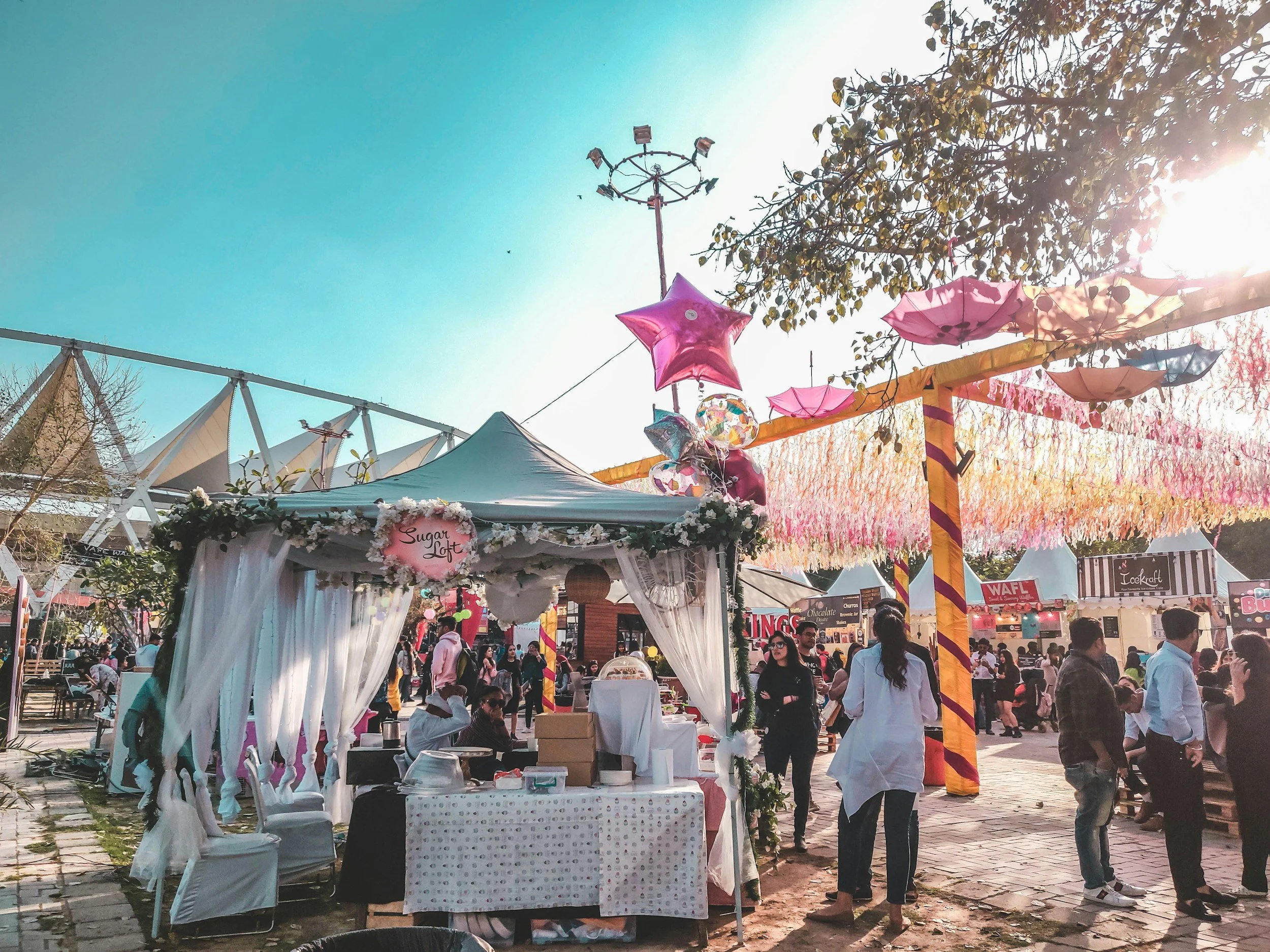
Place Is Not a Project
The downtowns that are working the ones where people show up, come back, and tell their friends aren’t winning because they have the best incentive programs or the most ribbon cuttings.
They’re winning because someone made deliberate decisions about what belongs there.
Someone curated the block. Someone recruited the operators. Someone thought about the rhythm of a week and built toward it.
💭 → If you’re leading a DDA, a downtown district, or a city economic development effort and want to talk about what belongs in your market reach out. This is exactly what we do. — I welcome a thoughtful conversation.